Festival of Light
The formal Sanskrit word for Diwali, a traditional Indian festival, is Dipawali. This translates as, -a string of well-lit lamps or row of well-lit lamps. The light referred to here implies more, however, than simply radiance as, esoterically, light also relates to knowledge, and the light of Divine attunement, the ever existing light of divinity. Diwali is considered one of the most auspicious festivals in Indian culture. This yearly event - timed precisely through astrological calculations - opens a - cosmic window enabling participants to more easily attune themselves to higher spiritual energy. This can be attained, in part, through the instrumentality of mantra - the science of vibratory sound - and its effect on the human nervous system. As a consequence of mantra recitation, we have the potential to arouse the powerful latent energy in our chakras, or spinal centers. Combined, the powerful synergy resulting from mantra recitation, specifically during the period of Diwali, increases tenfold the beneficial effect - significantly more than at other times of the year. In the east, this practice results in the attainment of siddhis -powers which are byproducts in the process of perfecting our consciousness. They are evidence of an awakening consciousness and the ever-increasing connection with our divine nature, the light within - a light that, incidentally, manifests through the planetary radiations reflected in the chart and hand.
Depending on your individual needs, a specific mantra can be chosen for you that you can recite aloud or silently. For example, the Gayatri mantra is recited for peace of heart; the Maha Mritunjaya for health and the Saraswati Devi mantra is recited for creativity and wisdom. Consider that, according to ancient scriptures, each of these time-honored, potent mantras have been used successfully for centuries. A phonetic transliteration can be given to help you pronounce your mantra correctly.
This year, Diwali begins on Sunday, November 3rd, at 6 a.m., and ends the following morning, again at 6. If you should decide to celebrate this occasion on your own, this time can be devoted exclusively to reciting mantra and meditation to achieve the maximum benefits this auspicious day has to offer. It is recommended that you fast for the most part on Sunday; then, having a light, vegetarian meal later in the day. You can then continue alternating your meditation and mantra recitation, preferably until midnight on the 3rd.
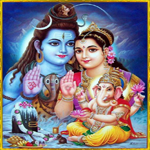
Choose a quiet, tidy room well lit by as many candles as possible. Christmas lights can also be used to make your -Festival of Lights event an even more cheerful and festive celebration. It is a fact, that intention and visualization are powerful tools towards realizing our goals. Items, pictures and symbols, therefore, that represent our cherished dreams - also a part of the Diwali celebration - can be placed on a meditation altar or table alongside statues and images of saints, deities, and gurus that are close to your heart. For example, a writer focusing on successfully finishing a book could place pages from a manuscript in progress. Whatever the desire, and as it has been said, -Nothing is too great for a child of God, your wish can be affirmed visually on the Diwali altar. In addition, photos of loved ones should also be placed here, to vibrate peace, joy and prosperity to them.
Depending on your individual needs, a specific mantra can be chosen for you that you can recite aloud or silently. For example, the Gayatri mantra is recited for peace of heart; the Maha Mritunjaya for health and the Saraswati Devi mantra is recited for creativity and wisdom. Consider that, according to ancient scriptures, each of these time-honored, potent mantras have been used successfully for centuries. A phonetic transliteration can be given to help you pronounce your mantra correctly.
This year, Diwali begins on Sunday, November 3rd, at 6 a.m., and ends the following morning, again at 6. If you should decide to celebrate this occasion on your own, this time can be devoted exclusively to reciting mantra and meditation to achieve the maximum benefits this auspicious day has to offer. It is recommended that you fast for the most part on Sunday; then, having a light, vegetarian meal later in the day. You can then continue alternating your meditation and mantra recitation, preferably until midnight on the 3rd.
Choose a quiet, tidy room well lit by as many candles as possible. Christmas lights can also be used to make your -Festival of Lights event an even more cheerful and festive celebration. It is a fact, that intention and visualization are powerful tools towards realizing our goals. Items, pictures and symbols, therefore, that represent our cherished dreams - also a part of the Diwali celebration - can be placed on a meditation altar or table alongside statues and images of saints, deities, and gurus that are close to your heart. For example, a writer focusing on successfully finishing a book could place pages from a manuscript in progress. Whatever the desire, and as it has been said, -Nothing is too great for a child of God, your wish can be affirmed visually on the Diwali altar. In addition, photos of loved ones should also be placed here, to vibrate peace, joy and prosperity to them.